
Guide
NRC vs RT60: what the acoustic numbers actually mean
NRC rates a material; RT60 describes a room. Here's the difference between the two acoustic numbers, why both matter, and how they're used to design treatment.
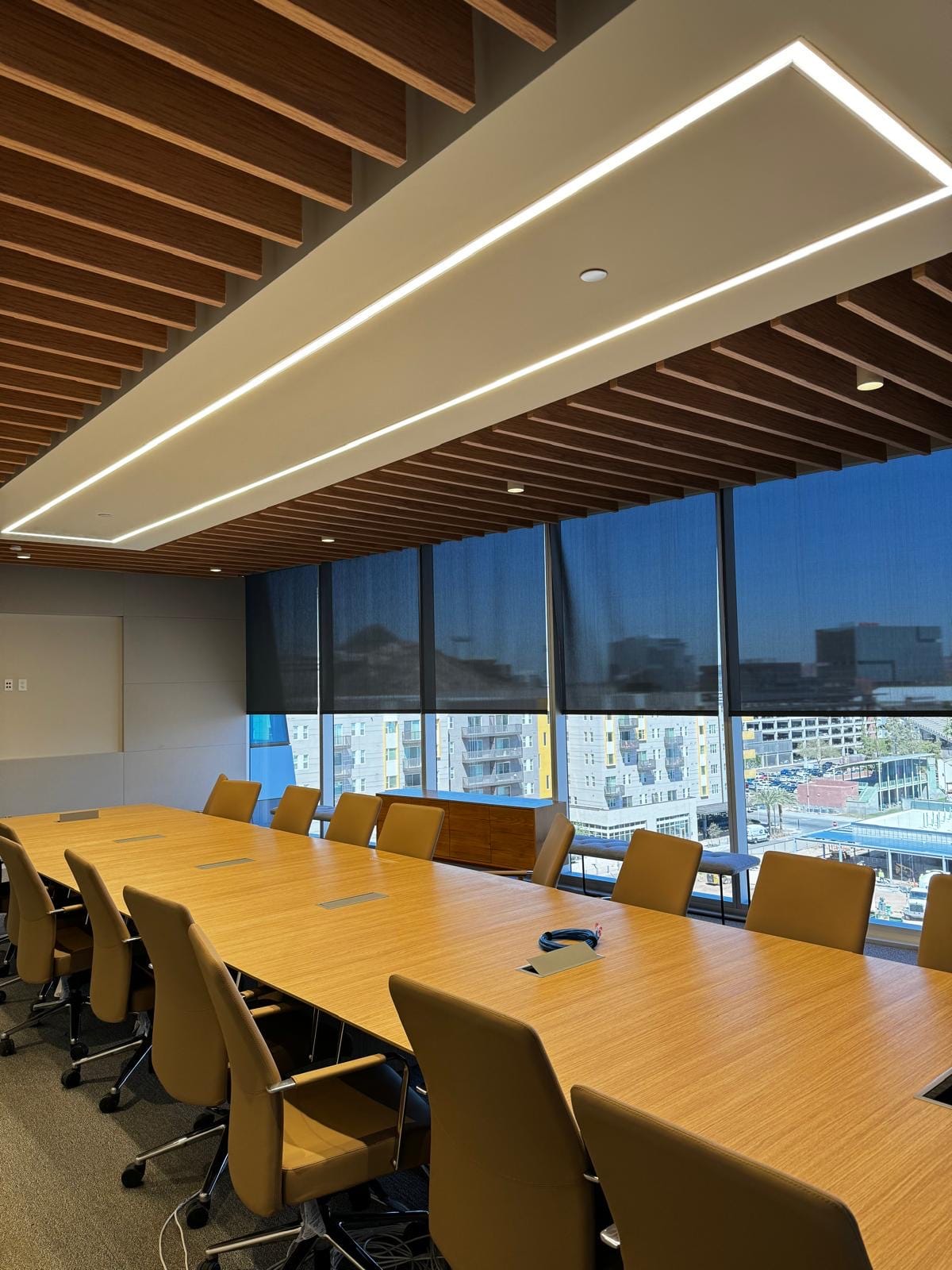
Two numbers come up constantly in acoustic treatment: NRC and RT60. They measure different things, and confusing them leads to rooms that look treated but still sound wrong. Here's the plain-English difference.
NRC — how much a material absorbs
NRC (Noise Reduction Coefficient) rates a single material's sound absorption on a scale from 0 to 1. An NRC of 0 reflects all sound; an NRC of 1 absorbs essentially all of it. A quality acoustic panel might be rated NRC 0.85–1.0. It's a property of the product — useful for comparing panels, but it says nothing about your room.
RT60 — how the room behaves
RT60 (reverberation time) is the time it takes for sound to decay by 60 decibels in a specific room. It's a property of the whole space — its size, surfaces, and everything in it. A long RT60 is what makes a room echoey and hard to hear in; a shorter, well-tuned RT60 makes speech clear and the room comfortable.
Why you need both
- NRC helps choose the product — a higher-NRC panel does more absorption per square foot.
- RT60 sets the goal — how much total absorption the room needs, and the target decay for its use.
- Design connects them — we calculate how much of a given NRC material it takes to bring your room's RT60 to target, then place it for maximum effect.
This is why we measure RT60 before and after a job. The panel's NRC is on the spec sheet; the result you actually hear is the room's RT60 — and that's what we design to.